Written ByMousree DasSenior Content Writer (Expertise - Health and Travel Insurance)
Mousree Das
Senior Content Writer (Expertise - Health and Travel Insurance)
Mousree Das is a Senior Content Writer with a focused expertise in Health Insurance and Travel Insurance. She entered the insurance space in 2022 and has since built over 4 years of UAE industry experience, writing and updating 3000+ articles across 2000+ health and travel insurance topics, from plan comparisons and claims processes to visa-linked coverage rules. She makes the intimidating world of insurance easier to understand.
Reviewed ByRicha BansalBusiness Development Manager - Travel & Home Insurance
Richa Bansal
Business Development Manager - Travel & Home Insurance
Richa Bansal brings over 17 years of experience in the insurance sector, with a strong focus on product operations and management. At Policybazaar.ae, she leads travel and home insurance, working with UAE-licensed insurers to shape policies that fit real situations, from a family holiday abroad to protecting a home in Dubai or Abu Dhabi. Her focus is on getting the coverage details, exclusions, and claim conditions right before they reach the plan page, so UAE residents know exactly what they're buying, whether they're insuring a trip or a home.
Information on this page is for general guidance only - not personalised financial or medical advice.
Top Travel Insurance Plans in UAE
Some of the best Travel Insurance quotes in UAE & Dubai are :
Watania Takaful
Plan NameAnnual Gold - Travel Visit Assurance
Plan NameAnnual Gold - Travel Visit Assurance
Trip CancellationAdditionally Available
Trip CancellationNA
Personal Accident Cover$1,500
Baggage LossNA
Starting fromAED 24
RAK Insurance
Plan NameIndividual Standard (Hajj & Umrah)
Plan NameIndividual Standard (Hajj & Umrah)
Medical Cover$30,000
Trip Cancellation$1,500
Baggage Loss$250
Starting fromAED 41
GIG Gulf (Previously AXA)
Plan NameTravel Schengen
Plan NameTravel Schengen
Medical Cover€40,000
Trip CancellationNA
Personal Accident CoverNA
Loss of Passport€750
Baggage LossNA
Starting fromAED 47
Qatar Insurance
Plan NameStandard Traveler
Plan NameStandard Traveler
Medical Cover$100,000
Trip CancellationNA
Personal Accident Cover$50,000
Loss of PassportNA
Baggage LossNA
Starting fromAED 184
Planning a babymoon before welcoming your little one? Insurance is essential for unexpected emergencies, but many wonder whether travel insurance covers pregnancy. While the coverage is limited, the right policy can still offer valuable protection for trip cancellations, lost baggage, and non-pregnancy related medical emergencies ensuring a stress-free and a well-prepared trip. Let’s break down the complications related to travel insurance during pregnancy.
Key Takeaways
▶️ Travel insurance is essential while making a trip during pregnancy. However, note that there’s no special travel insurance for pregnant women.
▶️ Generally, travel policies don’t cover pregnancy-related health issues, trip cancellation, or delay.
▶️ Each UAE airline has its own rules and required documents for would-be mothers. Check the guidelines before you book tickets.
▶️ You must inform the insurer about your pregnancy while purchasing a travel insurance policy.
▶️ You must consider international health insurance while travelling as it can cover pregnancy.
Can I Get Travel Insurance Pregnancy Cover in the UAE?
Travel insurance companies in the UAE do not offer regular coverage for pregnant women. Routine prenatal care, delivery, and postnatal care are not covered, leaving expectant travellers with limited options in case of medical issues.
With that said, having a travel plan is still highly recommended when travelling abroad while pregnant. This is because some travel policies cover emergency pregnancy complications during your trip.
What Does Travel Insurance Cover for Pregnant Women?
Pregnancy isn’t considered a pre-existing medical condition, so you can take a travel insurance plan while expecting. While it won’t cover pregnancy-related issues, you can still enjoy the standard benefits included in the plan as listed below —
✅Emergency Medical Coverage
It offers emergency medical coverage for situations unrelated to pregnancy, such as injuries, infections, or sudden illnesses, which can be very costly in foreign countries.
✅Trip Cancellation/Curtailment
Pregnancy can sometimes lead to unexpected health conditions that may force you to cancel or cut-short your trip. Although pregnancy related complications are not covered directly, your policy can reimburse you for non-refundable expenses like flights and hotel bookings.
✅Baggage Loss/Delay
Expecting mothers often carry important items like medications, maternity wear and other essentials. Travel insurance ensures protection against lost, stolen, or delayed baggage, so you're not left without your crucial belongings.
✅Travel Delay
Extended travel delays or missed connections can be challenging for pregnant women, particularly in situations where weather or technical issues cause major disruptions. A travel insurance policy can cover extra expenses for accommodation, meals, and transportation.
Why Travel Insurance Remains Essential for Pregnant Travelers?
While pregnancy complications are not covered directly, the broad coverage of travel policies remains invaluable. From medical emergencies to unforeseen travel disruptions, comprehensive travel insurance helps you manage the financial and logistical impacts of unexpected events. This allows you to focus on enjoying your trip.
Securing the right travel insurance policy is a proactive step in safeguarding your health, well-being and overall travel experience- particularly when expecting.
Best Insurance for Travelling During Pregnancy
The good news is that you can find a variety of alternatives to make your travel worry-free during pregnancy. One such option is international health insurance. This type of insurance provides you coverage for all maternity-related issues, whether you are traveling to or from the UAE.
In addition, it’s also important to note that pregnancy coverage is mandated by the DHA under health insurance policies. This ensures maternity benefits to women across the UAE, covering pregnancy-related expenses, such as: Pre-natal care, post-natal care, newborn care, and more. Furthermore, if you are a would-be mother, you will require a no objection certificate (NOC) from your doctor or midwife. This certificate confirms that you are fit to travel.
What Should I Consider While Buying Travel Insurance During Pregnancy?
You need to consider the following factors while getting travel insurance during pregnancy —
Your Pregnancy Stage
While planning a trip, it’s important to consider your pregnancy stage and overall medical condition. Travelling is generally advisable during mid-pregnancy. In fact, many airlines allow expectant mothers to fly with travel insurance for pregnancy up to 36 weeks, while some restrict travel beyond 29 weeks.
Additional Tip: After 29 to 36 weeks, the chances of labour and pregnancy-related complications increase. Thus, it’s usually recommended to avoid travelling during this stage.
Type of Travel Insurance Plan
You should also consider the type of plan you need for your trip, such as single-trip or multi-trip travel insurance. If you’re planning a short getaway or travelling just once a year, a single-trip plan is ideal. However, if you plan to explore multiple destinations during pregnancy, opting for an annual multi-trip travel insurance plan would be more suitable.
Premature Birth Cover
As mentioned earlier, you cannot easily find travel insurance that covers pregnancy. This is because most plans don’t cover pregnancy-related issues. However, some policies may offer limited coverage for premature birth or if you deliver before a certain stage of pregnancy (usually up to the 27th week). This coverage, however, is not comprehensive and may be limited to emergency evacuations or trip cancellations.
Make sure to check whether the policy covers your newborn and whether your chosen plan provides this type of emergency coverage.
Review Your Current Coverage
If you already have a travel insurance plan, it’s important to review the coverage it offers. There’s a possibility that it may not include certain benefits you need, as pregnancy is a sensitive stage where your body undergoes several changes that could affect your trip. If you notice any gaps in your coverage, contact your insurer to upgrade your plan or add extensions to ensure you have the necessary protection.
Policy Exclusions
A travel policy offers several valuable benefits, but it also comes with certain limitations in the form of exclusions. This is why it’s important to review your policy document carefully and understand the common exclusions — such as pre-existing medical conditions, mental health disorders, and adventure sports. Being aware of this helps you avoid misunderstandings and ensures smoother, dispute-free assistance from your insurer when you need to make a claim.
Travel Destination and Healthcare Services
When planning a trip during pregnancy, you must choose a safe destination with advanced and affordable healthcare services. Avoid travel destinations with poor hygiene or those affected by certain diseases or illnesses. Whether you have travel insurance that covers medical emergencies (not directly with the pregnancy) and other uncertainties, it’s vital to take safe steps and choose a destination wisely.
Airline Guidelines for Pregnant Women in the UAE
Each airline has its own set of rules for flying while pregnant. Here's a quick look at the guidelines of some major UAE-based airlines:
Emirates
You don’t need to present any medical certificate for up to 29 weeks of pregnancy.
You require a medical certificate to travel during the 29 to 36 weeks of pregnancy.
Traveling beyond 36 weeks is not permitted by this airline (special permission is required from the Medical Department of the airline).
Etihad Airways
There are no travel restrictions if you are traveling during the first 28 weeks of pregnancy.
You need to submit a medical certificate from the concerned doctor if you are 29–36 weeks pregnant.
After 37 weeks, you are not allowed to travel with Etihad Airways.
Flydubai
Traveling is permitted up to 28 weeks of pregnancy.
An official medical report is required to fly during 29–36 weeks of pregnancy.
Travel is not permitted after 36 weeks with Flydubai.
Air Arabia
Pregnant women can travel up to the end of 35 weeks with a medical certificate.
From 36 weeks onwards, they are not permitted to travel.
✍️Note: Always carry your maternity file, a recent ultrasound report, and a doctor’s stamp confirming you're fit to travel while flying.
What is the Best Time to Travel During Pregnancy?
According to the American Congress of Obstetricians and Gynecologists (ACOG), the safest and most comfortable time to travel during pregnancy is the second trimester, between 14 to 28 weeks. During this time, your energy levels are relatively higher, and the risks of miscarriage or premature labour are lower. Since each pregnancy is unique, it is important to consult with your doctor before making any travel plans.
It is advisable to avoid traveling during the first trimester due to the increased risk of nausea and miscarriage. Furthermore, traveling during the late third trimester also poses various challenges, such as preterm labour and travel restrictions.
What Documents Do I Need to Carry While Travelling During Pregnancy?
Whether you are travelling domestically or internationally, it’s vital to carry the following documents —
Travel insurance pregnancy policy and the contact number of the insurer
Medical certificate signed by a doctor
Maternity notes
Medications
Travel itinerary (in some cases)
Some airlines may require you to fill out certain forms, so check with the airline in advance and ensure that you provide all details accurately.
How to Get the Right Travel Insurance for Pregnant Women in the UAE?
On Policybazaar.ae, you can find the best travel insurance for pregnant women. This platform makes it easy to compare multiple leading providers and choose the most suitable option. The best part? You can compare multiple plans online and find the plan right from the comfort of your place!
Follow these steps to get the best plan instantly —
➡️ On the homepage of Policybazaar.ae, select ‘Travel Insurance’
➡️ Choose the travel option — domestic or international
➡️ Fill out the form with details like the travel destination, plan type, trip date, and more
➡️ Compare plans on the next page and choose the ideal option
➡️ You can also take assistance from our experts to customise a policy
When buying travel insurance during pregnancy, it’s important to choose a plan that best fits your needs. Even though you may not find travel insurance covering pregnancy in the UAE, we can help you secure the right coverage that ensures a comfortable journey and protects you from other travel-related risks. This way, you can enjoy your trip with complete peace of mind.
Travel Tips While You Are Pregnant
Here are some essential tips for a smooth and safe journey for pregnant women:
✨Consult your doctor before making travel plans
✨Stay hydrated and carry healthy snacks
✨Wear compression socks to prevent deep vein thrombosis (DVT)
✨Book an aisle seat for easy access to the restroom and mobility
✨Avoid heavy luggage lifting, as it can lead to complications
✨Take regular walks during long flights to improve circulation
✨Pack essential medications and prenatal documents
✨Avoid risky destinations with poor medical infrastructure
For added protection, consider combining the benefits of both comprehensive health insurance and a travel insurance policy. While health insurance ensures you have access to quality medical care, even when you're abroad, a travel cover plan safeguards you against common travel disruptions such as emergency medical evacuation, flight delays, or lost baggage. Together, they offer double the safety and peace of mind for your trip, whether it’s domestic or international.
Generally, it’s safe to travel during pregnancy if it’s advised by the doctor. However, it’s advised to be cautious at every step while traveling during your pregnancy.
Can I buy travel insurance after becoming pregnant?
Yes, you can buy travel insurance after becoming pregnant. But it is crucial to disclose your pregnancy to avoid claim denials. Remember that pregnancy-related complications are not covered under a travel plan.
Is trip cancellation due to pregnancy allowed under travel insurance?
Yes, you can cancel your trip if any complications arise before your delivery or trip. However, the coverage is subject to the insurer’s policies.
Can I travel at 8 months pregnant?
Most airlines restrict travel beyond 36 weeks. Always consult your airline and doctor, and carry a fit-to-fly certificate if within the allowed travel window.
Can I get travel insurance if I am pregnant?
Yes, you can get travel insurance when you are pregnant. However, you’ll get standard coverage for other issues, not for pregnancy-related medical conditions.
Is travel insurance required for pregnancy?
If you’re planning to travel during pregnancy, it’s recommended to have a comprehensive travel plan. It gives you certain coverages, including medical emergencies (not due to pregnancy), flight delay, trip interruption, and baggage loss.
Do I need to tell my airline I'm pregnant?
Yes, it’s highly advised to inform the airline about your pregnancy. This is especially true in the later stages, where complications are high. Some airlines have specific guidelines and forms for pregnant travellers, so it’s important to check before flying.
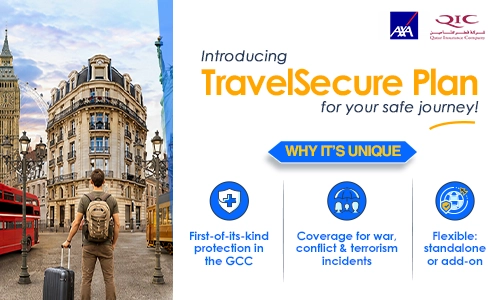
Last Updated : 10 Aug 2026TravelSecure Insurance- Travel Protection for War-related EventsTravelSecure, a plan that covers war-like situations and also offers real-time updates that help tourists and travellers stay aware, prepared, and secure throughout their journey.
Last Updated : 23 Apr 2026Visa for Iran - Types of VisaThis article will provide all important information about getting travel insurance online for travelling to Visa for Iran.
Last Updated : 23 Apr 2026A Comprehensive Guide to 60 Days Visit Visa UAEWe will explain the intricacies of the 60 days visit visa, covering the application procedure, necessary documentation, applicable fees, and additional vital information.
Last Updated : 23 Apr 2026What is the 30 Days Visit Visa UAE Price?We will explore the specifics of the 30 days tourist visa UAE, shedding light on its features, application process, and other essential details for a smooth and enjoyable stay in the UAE.
Last Updated : 26 Mar 2026How to Get Reimbursement for A Travel Insurance ClaimKnow about Travel Insurance Claims Process in UAE and get detailed guidelines on submitting travel insurance claims, and the documents required.
Last Updated : 25 Mar 2026A Travel Guide to Global Village in DubaiThis article offers deeper insights into the type of attractions at Global Village in Dubai, commencement dates, and the most appropriate time to be at Global Village.
Last Updated : 31 Oct 2025How to Get Orange Card for Oman | Policybazaar.aeOman Orange card is a crucial document for vehicles traveling from the UAE to Oman. Discover the important details of the Orange card Oman online application process.
Last Updated : 04 Jul 2025Travel Ban Check by Passport Number Easily check if you have a travel ban using your passport number. Learn how to verify your travel ban status online in the UAE quickly and securely.
Last Updated : 17 Jul 2026Overview of Fines for Overstaying on a UAE Visit VisaLearn about fines and penalties for overstaying a UAE visit visa. Understand the costs, legal implications, and steps to avoid or resolve overstays in the UAE to ensure a smooth exit.
Last Updated : 25 Mar 2026List of Visa Free Countries for UAE Residents 2026Know every thing about the visa free countries for UAE residents. It will also help you to plan your trip and make it a memorable one without any hassle.
Last Updated : 28 Jan 2026Covid-19 Vaccination Requirements in the UAE for 2026Covid-19 vaccination needed for Dubai and the UAE differ for each country (country of origin) along with travel relaxations. Let’s get to know the tests and vaccination needed for Dubai in detail.
Last Updated : 28 Jan 2026Emirates Airlines Urges Flyers to Arrive at Least 3 Hours Before Check-inThe Dubai International Airport is set to handle a high passenger volume of more than 700,000 in the upcoming weekends so Emirates Airlines Urges Flyers to Arrive at Least 3 Hours Before Check-in.




 *This coverage is valid for UAE residents only*
.png)


.png)



 Reviews
 Mousree Das


 Information on this page is for general guidance only - not personalised financial or medical advice.
























 Last Updated : 10 Aug 2026TravelSecure Insurance- Travel Protection for War-related EventsTravelSecure, a plan that covers war-like situations and also offers real-time updates that help tourists and travellers stay aware, prepared, and secure throughout their journey.
 Last Updated : 23 Apr 2026Visa for Iran - Types of VisaThis article will provide all important information about getting travel insurance online for travelling to Visa for Iran.
 Last Updated : 26 Mar 2026How to Get Reimbursement for A Travel Insurance ClaimKnow about Travel Insurance Claims Process in UAE and get detailed guidelines on submitting travel insurance claims, and the documents required.
 Last Updated : 25 Mar 2026A Travel Guide to Global Village in DubaiThis article offers deeper insights into the type of attractions at Global Village in Dubai, commencement dates, and the most appropriate time to be at Global Village.
 Last Updated : 31 Oct 2025How to Get Orange Card for Oman | Policybazaar.aeOman Orange card is a crucial document for vehicles traveling from the UAE to Oman. Discover the important details of the Orange card Oman online application process.
 Last Updated : 04 Jul 2025Travel Ban Check by Passport Number Easily check if you have a travel ban using your passport number. Learn how to verify your travel ban status online in the UAE quickly and securely.
 Last Updated : 17 Jul 2026Overview of Fines for Overstaying on a UAE Visit VisaLearn about fines and penalties for overstaying a UAE visit visa. Understand the costs, legal implications, and steps to avoid or resolve overstays in the UAE to ensure a smooth exit.
 Last Updated : 25 Mar 2026List of Visa Free Countries for UAE Residents 2026Know every thing about the visa free countries for UAE residents. It will also help you to plan your trip and make it a memorable one without any hassle.
 Last Updated : 28 Jan 2026Covid-19 Vaccination Requirements in the UAE for 2026Covid-19 vaccination needed for Dubai and the UAE differ for each country (country of origin) along with travel relaxations. Let’s get to know the tests and vaccination needed for Dubai in detail.
 Last Updated : 28 Jan 2026Emirates Airlines Urges Flyers to Arrive at Least 3 Hours Before Check-inThe Dubai International Airport is set to handle a high passenger volume of more than 700,000 in the upcoming weekends so Emirates Airlines Urges Flyers to Arrive at Least 3 Hours Before Check-in.




 Google Reviews